Discover lesser-known medieval castles on a dream France road trip. Explore hidden gems in Dordogne, Loire, Pyrenees & Normandy for an authentic, crowd-free journey through history.
France holds tens of thousands of castles, yet most visitors never venture beyond the famous names. What if your next trip to France skipped the tourist-packed châteaux and instead led you to quiet, atmospheric medieval fortresses where history feels raw and personal?
This itinerary uncovers some of the country’s best-kept medieval secrets: dramatic cliff-top ruins, vast underground defensive networks, isolated Cathar strongholds, and moated towers lost in the countryside. Visiting these lesser-known sites creates a deeper, more intimate connection to France’s past. You walk ramparts once guarded by knights, explore chambers untouched by crowds, and soak in silence that famous landmarks can rarely offer.
Moreover, these hidden locations are ideal for slow, thoughtful travel. You can stay as long as you wish, photograph without waiting for other people to move out of frame, and usually pay very modest entry fees. Planning around these castles also lets you weave in charming villages, weekly markets, scenic backroads, and regional cuisine.
In short, this guide turns a classic trip to France into an extraordinary adventure among the country’s most authentic medieval treasures. Let’s start exploring.
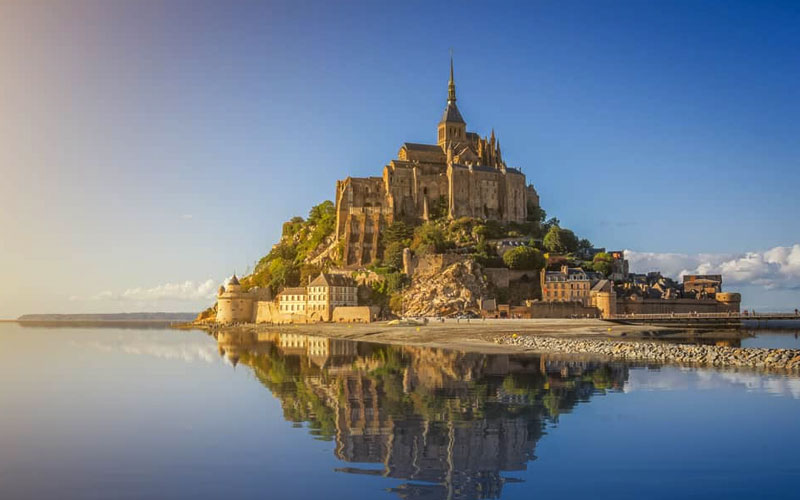
Imagine Stepping Onto a Castle Rampart—Completely Alone
You leave the main road onto a narrow lane lined with oak trees somewhere in the Dordogne. The track climbs gently, then the trees part and Château de Commarque suddenly rises before you—tall, rugged, half-ruined, dramatically perched on a limestone cliff. No queue at the entrance. No guided groups. Just you, the breeze moving through the stones, and eight centuries of history under your feet.
You climb the uneven stairs to the top of the keep. Below, the valley rolls out in soft greens and golds. It’s easy to picture archers standing exactly where you stand during the Hundred Years’ War. Beneath the castle, prehistoric caves once sheltered early humans—adding yet another deep layer to the site.
A different but equally powerful feeling awaits at Château de Brézé near Saumur. You walk through what appears to be a graceful Renaissance residence—only to descend into an enormous medieval fortress carved deep into the limestone bedrock. Narrow tunnels, drawbridges spanning dry moats, murder holes, and arrow slits reveal centuries of military ingenuity hidden below the elegant upper floors.
For inspiration, search YouTube for “France’s Secret Castles” or “Hidden Châteaux of the Loire” (channels such as Hidden France or Back-Roads Europe often feature these places beautifully). Watching real footage of these quiet sites frequently motivates people to build their entire trip to France around them.
The Ideal 7–10 Day Route Through France’s Hidden Medieval Gems
Build your itinerary logically—either sweeping from southwest to north or concentrating on one or two regions for a shorter journey.
Dordogne & Périgord – Days 1–3
- Château de Commarque — striking ruins with panoramic valley views
- Nearby Château de Beynac and Château de Castelnaud provide excellent medieval military context (slightly more visited but still atmospheric)
Pyrenees Foothills – Days 4–5
- Château de Montségur — the iconic Cathar “pog” at 1,207 m. The steep hike to the summit rewards you with sweeping vistas and a haunting sense of resistance history.
Normandy & Maine – Days 6–7
- Château de Pirou — a textbook 12th-century moated fortress with an intact defensive layout
- Château de Carrouges — handsome brick-and-stone architecture surrounded by tranquil parkland
Loire Valley fringes – Days 8–10
- Château de Brézé — the astonishing “castle beneath the castle” with vast underground defenses
- Les Tours de Merle — a unique cluster of seven rival towers built side-by-side in the remote Corrèze countryside
Rent a car; public transport rarely reaches these rural locations. Stay in small, characterful towns—Sarlat-la-Canéda, Saumur, Figeac, or Domfront—for genuine evenings filled with local duck confit, goat cheeses, black truffles, and excellent regional wines. This rhythm keeps every day of your trip to France relaxed and deeply enjoyable.
Quick Planning Snapshot
- Best months — April–June or September–October
- Daily driving — usually 1–3 hours
- Typical entry fee — €6–12 per castle
Answers to the Questions Travelers Ask Most
Do I really need a car for this trip to France?
In almost every case, yes. Trains serve larger towns (Périgueux, Angers, Foix), but the castles lie deep in the countryside. A rental car gives you complete freedom and the ability to stop at scenic viewpoints whenever you like.
When is the best season to visit these hidden castles?
Spring and autumn deliver the most pleasant combination of mild weather, beautiful light, and far fewer visitors. Summer is lovely but noticeably busier—even at “secret” sites.
Are these locations suitable for children or people with reduced mobility?
It depends on the site. Commarque and Montségur feature steep paths and many stairs. Brézé has limited accessible areas above ground but challenging underground sections. Always check each castle’s official website for current accessibility information.
Should I book tickets ahead?
Very rarely necessary. Most of these lesser-known castles sell tickets on arrival. Arriving early still guarantees the quietest, most peaceful experience.
How many castles can I reasonably see without rushing?
Three to five for a relaxed pace. When the goal is to truly absorb the atmosphere and history of each place, quality far outweighs quantity.
Practical Tips to Make Your Hidden Castles Journey Unforgettable
- Download offline maps (Google Maps, Maps.me or similar). Mobile signal often disappears in deep rural areas.
- Wear sturdy walking shoes and bring layers. Paths are frequently uneven and weather can change quickly.
- Time your visits for mid-morning or late afternoon. You miss the small number of tour groups that do appear and enjoy the softest, most photogenic light.
- Pair castle stops with local markets. Buy bread, cheese, charcuterie, and fruit for perfect picnics on castle lawns or at scenic roadside pull-offs.
- Keep a lightweight notebook or phone notes. Write down one striking detail or feeling from each site. Those short memories bring the whole journey rushing back months later.
- Choose independent accommodations and eateries. Chambres d’hôtes, family-run auberges, and village cafés add warmth and support local communities.
These small choices elevate a good trip to France into something truly special and personal.
Why Choosing the Road Less Traveled Changes Everything
This itinerary has carried you from wind-swept ruins high above Dordogne valleys to subterranean fortresses beneath the Loire and lonely Cathar citadels in the Pyrenees. You’ve seen how France’s lesser-known medieval castles preserve an unpolished, deeply authentic version of history—free of crowds, gift shops, and staged photo opportunities.
Opting for these hidden places allows you to travel at a human speed, to listen to the past in silence, and to form memories that last far longer than any checklist of famous sights.
Now it’s your turn. Have you already found one of these secret castles? Which hidden fortress excites you most for your next trip to France? Leave a comment below—share your stories, photos, or suggestions. I read every one, and your experiences help shape even better guides in the future.
Safe travels, and may every road lead you to new wonder.