Discover the most colorful cities in the world, from Lisbon’s pastels to Cartagena’s bold walls. Explore vibrant destinations and plan your next adventure today!
Have you ever stood in a place so bright that it felt like the buildings themselves were smiling at you? Imagine walking down a street where every house, every doorway, and every tiled wall bursts with unexpected color. That feeling of pure visual joy is what draws millions of travelers each year to the most colorful cities in the world.
Color transforms ordinary streets into living paintings. It lifts moods, sparks creativity, and turns simple walks into unforgettable experiences. Recent studies analyzing millions of unique hues across global destinations confirm what many travelers already sense: certain cities simply glow brighter than others.
Lisbon currently leads many rankings thanks to its soft pastels, patterned azulejos, and sunny yellow trams. Yet the list stretches far beyond Europe. From the blue medinas of North Africa to the rainbow houses of Latin America, the most colorful cities in the world offer endless inspiration. Whether you seek peaceful alleys or energetic waterfronts, these destinations prove that color can define an entire place.
In the pages ahead, you will discover how these vibrant spots came to life, what makes them special, and practical ways to experience them fully. Prepare to see the world in a whole new palette.
When Color Turns Everyday Streets into Magic
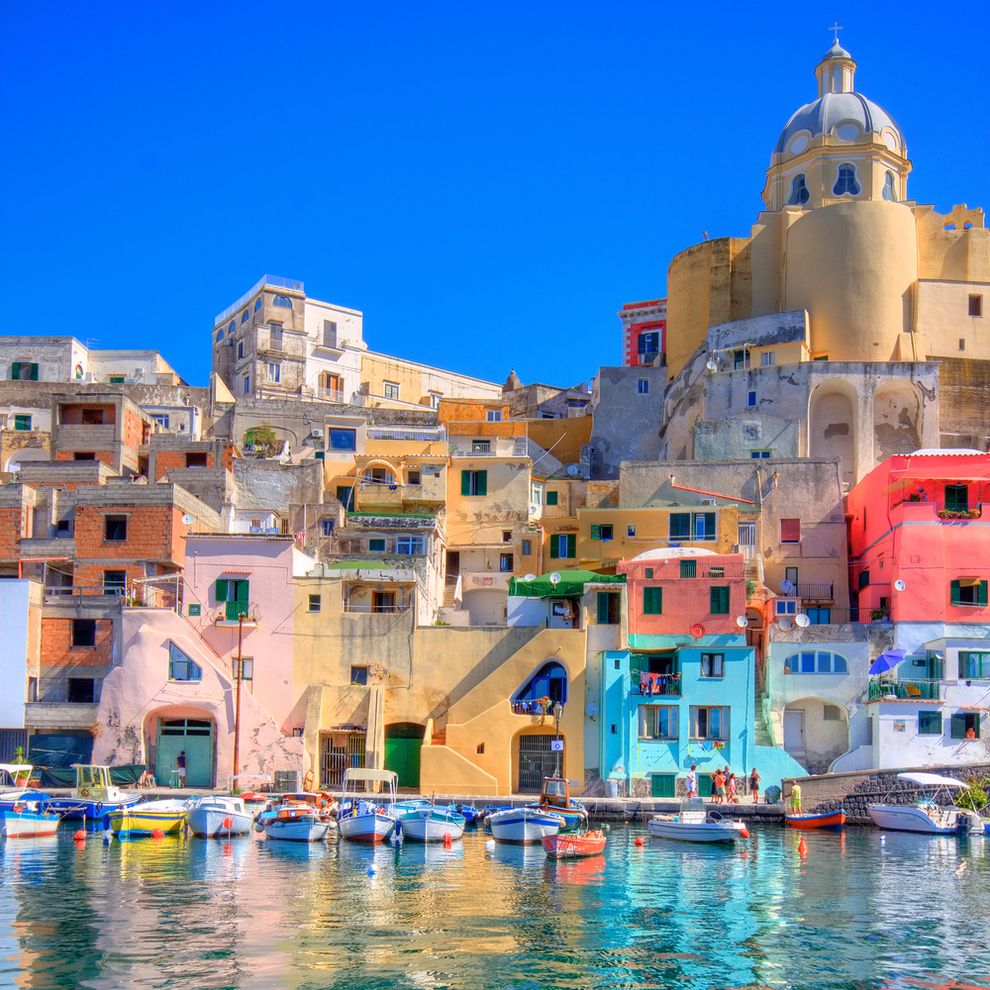
You step off a narrow boat and onto a quiet island path. The air smells of salt and fresh paint. Suddenly every house around you explodes in pink, turquoise, lemon, and violet. You raise your camera almost without thinking. This is the moment many travelers first understand the power of the most colorful cities in the world.
Picture yourself wandering those same streets later in the day. Local residents chat from bright doorways while laundry flutters in matching hues. You realize the colors are not random. Fishermen once painted their homes in bold shades so they could spot them through thick fog. What began as a practical choice became a living tradition that still draws visitors today.
You might feel the same quiet wonder in a mountain town washed entirely in blue. The alleys climb gently, each wall a slightly different shade of cobalt or sky. You turn a corner and the light shifts, making the blues deepen or soften. The experience stays with you long after you leave.
Videos on YouTube capture this magic perfectly. One popular clip titled “Top 7 Most Colorful Cities in the World You Must Visit” shows exactly how these places feel when you walk through them. Watching those frames makes you want to pack a bag immediately.
These moments of discovery create an emotional connection. You start noticing color everywhere—on doors, shutters, flower pots, and even the clothes of people passing by. Suddenly the idea of seeking out the most colorful cities in the world feels less like a travel checklist and more like a personal invitation. The next section takes that invitation further by exploring what truly sets these destinations apart.
Why Color Feels So Personal
The joy you feel is not accidental. Bright surroundings influence mood and memory. Travelers often return home describing these cities as places that “woke something up” inside them. That emotional pull keeps the conversation about the most colorful cities in the world alive year after year.
Exploring the Ranking and the Stories Behind the Hues
Recent analysis by travel researchers examined thousands of images from dozens of destinations. They counted unique colors and calculated vibrancy scores. Lisbon topped the list with a perfect score, thanks to its layered pastels, tiled facades, and iconic yellow trams. Kuala Lumpur followed closely, mixing modern glass towers with ornate temples and dense street signage.
Porto earned third place with its riverside houses painted in warm tones that catch the light along the Douro. Cartagena in Colombia and Rio de Janeiro completed the top five. Further down the ranking you find Guanajuato’s hillside rainbows, Havana’s weathered pastels, Hanoi’s lively markets, New Orleans’ French Quarter charm, and Medellín’s creative energy.
Classic favorites still shine brightly. Burano’s canal-side houses remain a favorite for pure saturation. Chefchaouen’s blue medina continues to feel dreamlike. Guatapé’s decorated walls and Jodhpur’s blue old city add their own distinct personalities to the conversation about the most colorful cities in the world.
Lisbon and Porto: Portugal’s Double Victory
Lisbon’s strength lies in subtlety mixed with surprise. Soft pinks and mustard yellows sit beside blue-and-white tiles that change with the sun. Yellow trams climb steep hills, adding moving flashes of color. Porto complements this with denser clusters of painted houses that cascade toward the river. Together the two cities show how a single country can dominate a global ranking of the most colorful cities in the world.
Latin America’s Bold Statement
Cartagena’s walled old town glows in coral, yellow, and turquoise. Rio offers the famous Selarón Steps plus hillside neighborhoods where color becomes community expression. Guanajuato and Medellín prove that even mountainous terrain can become a canvas. These places remind travelers that the most colorful cities in the world often carry deep cultural stories beneath the paint.
Asia and Beyond
Kuala Lumpur surprises with its contrast of skyscrapers and traditional color. Hanoi’s Old Quarter layers red lanterns, painted shop fronts, and constant movement. Further afield, places like Jodhpur and the blue streets of Chefchaouen show that monochrome intensity can feel just as powerful as a full rainbow. Each destination expands the definition of what the most colorful cities in the world can look like.
Common Questions About the Most Colorful Cities in the World
Travelers often ask the same practical and curious questions before booking flights. Clear answers help turn interest into action.
Which city currently ranks as the most colorful?
According to recent image-based studies, Lisbon holds the top position. Its combination of unique hues and consistent vibrancy scores places it ahead of Kuala Lumpur and Porto. Rankings can shift with new data, yet Lisbon remains a strong current leader among the most colorful cities in the world.
Are smaller towns more colorful than big cities?
Sometimes yes. Places like Burano or Chefchaouen achieve intense color density because nearly every building participates. Larger cities such as Rio or Lisbon spread their color across wider areas and still score high because of overall variety. Both scales offer rewards when exploring the most colorful cities in the world.
When is the best time to visit for photography?
Early morning and late afternoon light usually enhance colors most dramatically. Golden hour softens harsh shadows and makes painted walls glow. Many of the most colorful cities in the world enjoy mild climates for much of the year, so shoulder seasons often provide pleasant weather and fewer crowds.
Do the colors have historical or cultural meaning?
Yes, frequently. Blue in Chefchaouen connects to spiritual traditions and practical insect control. Pink in Jaipur began as a royal welcome gesture. Bright houses in Burano helped fishermen navigate fog. Understanding these stories adds depth when you visit the most colorful cities in the world.
Is it expensive to experience these destinations?
Budgets vary widely. Some colorful neighborhoods sit inside larger cities that offer a range of lodging options. Others are compact and walkable, reducing transport costs. Planning ahead and traveling in quieter months often keeps expenses reasonable while still letting you enjoy the most colorful cities in the world.
Practical Tips for Experiencing Vibrant Destinations Fully
Knowing how to approach these places turns a good trip into a memorable one. Simple strategies help you capture the best moments and respect local life.
1. Walk more and rush less
Color reveals itself slowly. Take time to wander side streets rather than racing between famous viewpoints. Many of the most colorful cities in the world reward those who move at a human pace. You notice details—hand-painted doors, flower boxes, and changing light—that photos alone cannot capture.
2. Visit early or late in the day
Midday sun can flatten colors and create harsh shadows. Morning and evening light bring out richness and depth. This timing also often means quieter streets, making exploration of the most colorful cities in the world more peaceful and personal.
3. Learn a few local stories
Ask residents or guides about why certain colors dominate. Understanding the history behind the paint creates stronger emotional connections. You leave with more than photographs; you leave with context that makes the most colorful cities in the world feel meaningful.
4. Pack for both comfort and color
Wear comfortable shoes for uneven streets and hills. Bring a camera or phone with good low-light performance. Consider clothing that does not clash too strongly if you plan many photos. Practical preparation lets you focus on enjoying the most colorful cities in the world instead of fixing small problems.
5. Support local color keepers
Buy from neighborhood shops, eat at family-run places, and respect private homes. Many of these painted streets exist because communities maintain them. Positive visitor behavior helps ensure the most colorful cities in the world stay vibrant for future travelers.
Why Colorful Cities Stay With Us Long After We Leave
The most colorful cities in the world do more than please the eye. They lift spirits, spark conversations, and create lasting memories. From Lisbon’s gentle pastels to Cartagena’s bold walls and the intense blues of mountain towns, each destination offers its own version of visual joy.
You have seen how rankings highlight places like Lisbon, Kuala Lumpur, and Porto while classic favorites such as Burano and Chefchaouen continue to enchant. You learned practical ways to experience these spots fully and found answers to common questions travelers ask.
Color is never just decoration. It carries history, community pride, and a quiet invitation to slow down and notice beauty. The next time you plan a trip, consider adding one of these vibrant destinations to your list. Then come back and share what you discovered. Which colorful city captured your heart most? Your stories and suggestions help shape future explorations of the most colorful cities in the world.