Discover the best European cities for a 3-day weekend in 2027. Explore Sofia, Lisbon, and Copenhagen with budgets, tips, and answers.
What if you could trade your ordinary Friday for a morning espresso in a sun-drenched plaza, and your Sunday evening blues for a sunset over medieval rooftops? A three-day weekend is short, but it is long enough to reset your perspective completely. In fact, the average European city break lasts just 2.4 nights, yet surveys consistently show that travelers return feeling as restored as after a full week away. The secret lies in choosing the right destination.
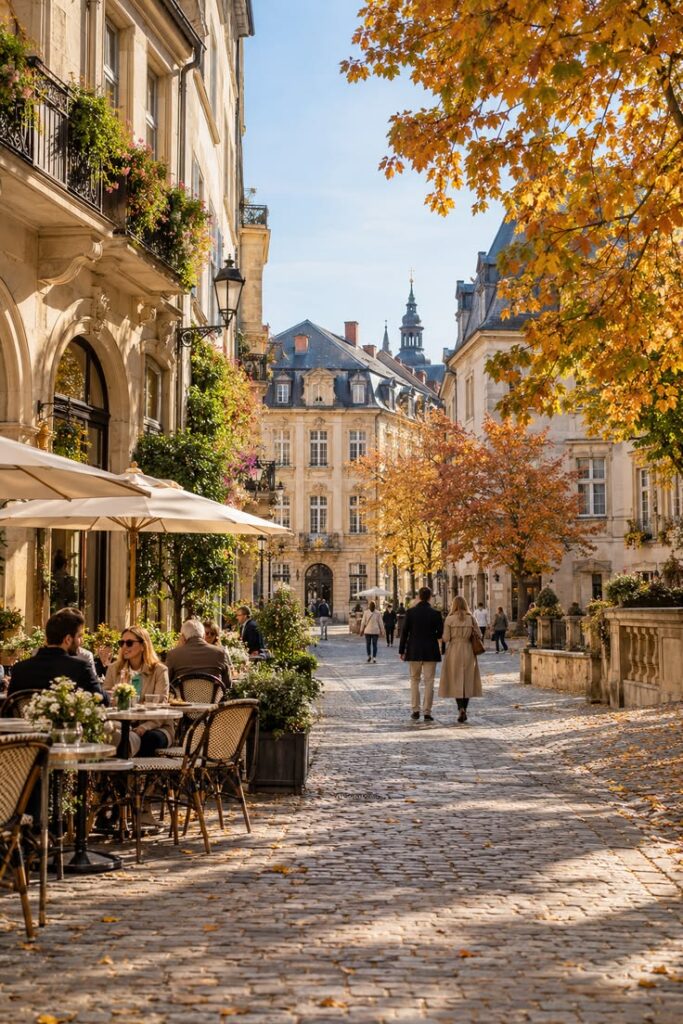
The best European cities for a short trip share a few common traits. They are compact, walkable, and rich in contrast. You can spend your morning inside a UNESCO-listed church and your afternoon hiking a mountain trail. You can eat a Michelin-starred dinner and still afford a mid-range hotel. However, with dozens of worthy contenders, the real challenge is narrowing down your options.
Therefore, this guide does the work for you. It draws on the latest 2027 rankings, real budget data, and practical traveler insights. You will discover which cities topped the charts, how much a weekend actually costs, and the answers to the questions every first-time city-breaker asks. By the end, you will have a clear shortlist and a concrete plan. Let the planning begin.
The 2027 Rankings: Which Cities Lead the Pack?
Imagine you have a free weekend in October. You open a map of Europe and let your finger land on a city you have never considered. For thousands of travelers, that finger landed on Sofia, Bulgaria. In the 2027 European Best Destinations ranking, Sofia claimed the top spot, beating more famous capitals for a simple reason: it offers an extraordinary range of experiences within a compact, affordable space. You can walk from Roman ruins to a gold-domed cathedral in twenty minutes, then take a cable car up Vitosha Mountain before dinner.
Lisbon took second place, celebrated as the world’s happiest tourist destination. Copenhagen, Cannes, and Basel completed the top five, each offering a distinct flavor of European city life. Beyond the headline names, Bristol in the UK, Leuven in Belgium, Milan, Calpe in Spain, and Verona rounded out the top ten. These are not just trendy picks. They represent a shift toward destinations that deliver depth without demanding a week of your time.
Beyond the Top Ten: Hidden Gems for a Short Break
The official rankings are a useful starting point, but they are not the only source of inspiration. Travel data from 2026 and early 2027 reveals a parallel trend: smaller, well-connected cities are thriving as weekend destinations. Wrocław and Poznań in Poland consistently rank as Europe’s most affordable city-break options, with daily costs around €41–€42 per person. Porto in Portugal has emerged as an underrated alternative to Lisbon, offering a perfect three-day mix of river views, port wine cellars, and a historic bookstore that inspired Harry Potter. Budapest remains a favorite for its thermal baths and ruin bars, where a full day at a 16th-century bathhouse costs less than a museum ticket in Paris. Consequently, the best European cities for your weekend are not always the ones at the very top of a list. They are the ones that match your budget, your pace, and your curiosity.
How Much Does a 3-Day European Weekend Really Cost?
Budget is the elephant in the room. A weekend in Copenhagen and a weekend in Sofia operate in entirely different financial universes. Therefore, understanding real costs before you book is the single most important planning step. According to aggregated traveler data, a realistic three-day budget in a mid-range European city lands between €250 and €500 per person, excluding international flights. That range, however, hides enormous variation.
In Sofia, a comfortable three-day weekend costs €110–€180 per person, excluding accommodation. A mid-range daily budget of around €85 buys a genuinely comfortable trip, including meals, transport, and attractions. Lisbon sits higher, with three-day budgets ranging from roughly €285 to €640 depending on your style. Copenhagen is the most expensive of the top-ranked cities. A budget traveler staying in a hostel dorm can manage three days for about €270, while a solo traveler in an average hotel room should expect to spend closer to €890. For a mid-range daily budget including accommodation, food, and transport, plan for $120–$170 per day.
Budget Breakdown: Where Your Money Goes
Understanding the components of a city-break budget helps you make smarter trade-offs. Accommodation is the largest variable. Hostel dorms in Sofia and Kraków start around €15–€25 per night, while Copenhagen hostel beds range from €30 to €55. Food follows a similar pattern. A local restaurant meal in Sofia costs €6–€10, while a main course in Copenhagen runs €20–€35. Transport is often the most controllable expense. In Copenhagen, a 24-hour transit ticket unlocks the metro, buses, and even the yellow public ferries that offer the same canal views as tourist boats for a fraction of the price. In Lisbon, a single tram ride costs €1.50, and the famous Tram 28 remains the best-value sightseeing route in the city. By adjusting just one or two of these categories, you can move a destination from “splurge” to “achievable.”
Your 2027 City-Break Questions, Answered
Planning a short trip raises practical questions that generic travel guides often gloss over. Here are the answers travelers ask most often, grounded in the latest 2027 data and real-world experience.
How many nights do I actually need for a European city break?
Two nights work only if you have a direct flight, a simple airport transfer, and a very concentrated plan. Choose three nights when your arrival is inconvenient, your activities are spread across the city, or you want a slower pace that includes spontaneous detours. For most first-time visitors to the best European cities, three nights is the sweet spot.
Which cities are best for a winter weekend?
Lisbon is the strongest winter choice among the top-ranked destinations. It offers mild temperatures when northern Europe is grey, and three days comfortably covers Baixa, Alfama, Belém, and even a half-day trip to Sintra if you start early. Seville and Rome are also excellent early-season options.
Do I need to book attractions in advance?
It depends on the city and the season. In Lisbon, on-site lines for the Jerónimos Monastery and Belém Tower can be incredibly long, so booking ahead saves hours. In Sofia, many of the most important landmarks—including the Alexander Nevsky Cathedral and the Roman ruins—are free and require no reservation. Check the official website for any fixed bookings you cannot miss, and leave the rest of your schedule open.
Is a city pass worth it?
Sometimes. A Copenhagen City Pass or a Lisbon Card can save money if you plan to visit multiple paid attractions and use public transport heavily. However, if your itinerary centers on free viewpoints, markets, and walking neighborhoods, a pass may cost more than it saves. Calculate the cost of the specific sights you want to see before buying.
Pro Tips for a Stress-Free 3-Day Escape
The difference between a good weekend and a great one often comes down to a handful of smart decisions. These practical tips come from travelers who learned them the hard way.
Choose your neighborhood before your hotel. In Lisbon, staying in Alfama puts you in the heart of fado music and narrow streets, but the hills are steep. Staying in Baixa gives you flat, central access to transport. In Sofia, the city center around Vitosha Boulevard places you within walking distance of the major cathedral, the Roman ruins, and the best restaurants. A five-minute walk from the “right” neighborhood can transform your daily experience.
Use the local transport hack that tourists miss. In Copenhagen, skip the €15 tourist canal boat and ride the yellow public ferry with a standard metro ticket. You get the same harbor views, the same photo opportunities, and a genuinely local experience for a fraction of the cost. In Porto, walk across the Luís I Bridge at sunset instead of paying for a river cruise. The view is better, and it is free.
Eat where the menu is not in five languages. In Sofia, a restaurant meal with a menu in English, Russian, and German is likely charging a premium. Walk one street back from Vitosha Boulevard and you will find local bakeries selling banitsa for less than €2 and family-run taverns with lunch specials under €10. The same rule applies in every city: the best-value food is rarely on the main tourist drag.
Build in one “empty” block per day. The biggest mistake in a three-day trip is over-scheduling. Leave one afternoon or evening without a reservation. Use it to follow a recommendation from a local, revisit a neighborhood you loved, or simply sit in a plaza and watch the city move. The best European cities reward spontaneity as much as planning.
Final Thoughts: Your Weekend, Your Story
A three-day European weekend is not about checking off monuments. It is about choosing a city that fits the version of yourself you want to be for 72 hours. Sofia invites you to hike a mountain before lunch and explore Roman history after coffee. Lisbon asks you to wander without a strict plan and let the hills dictate your route. Copenhagen challenges you to do more with less, trading expensive tours for bike lanes, harbor swims, and cinnamon pastries. Each of the best European cities for 2027 offers a distinct invitation.
The key takeaways are simple. Start with the official rankings, but let your budget and curiosity guide the final choice. Understand the real cost of your destination before you book, and plan for three nights if you want room to breathe. Use local transport, eat one street back from the crowds, and protect at least one empty block in your schedule. These small decisions create the space for the moments you will actually remember.
Now we want to hear from you. Which city is calling your name for 2027? Have you already experienced a three-day escape that exceeded your expectations, or one that taught you what to avoid? Share your story in the comments below. Your insights help us build better guides and help fellow travelers choose their own perfect weekend.